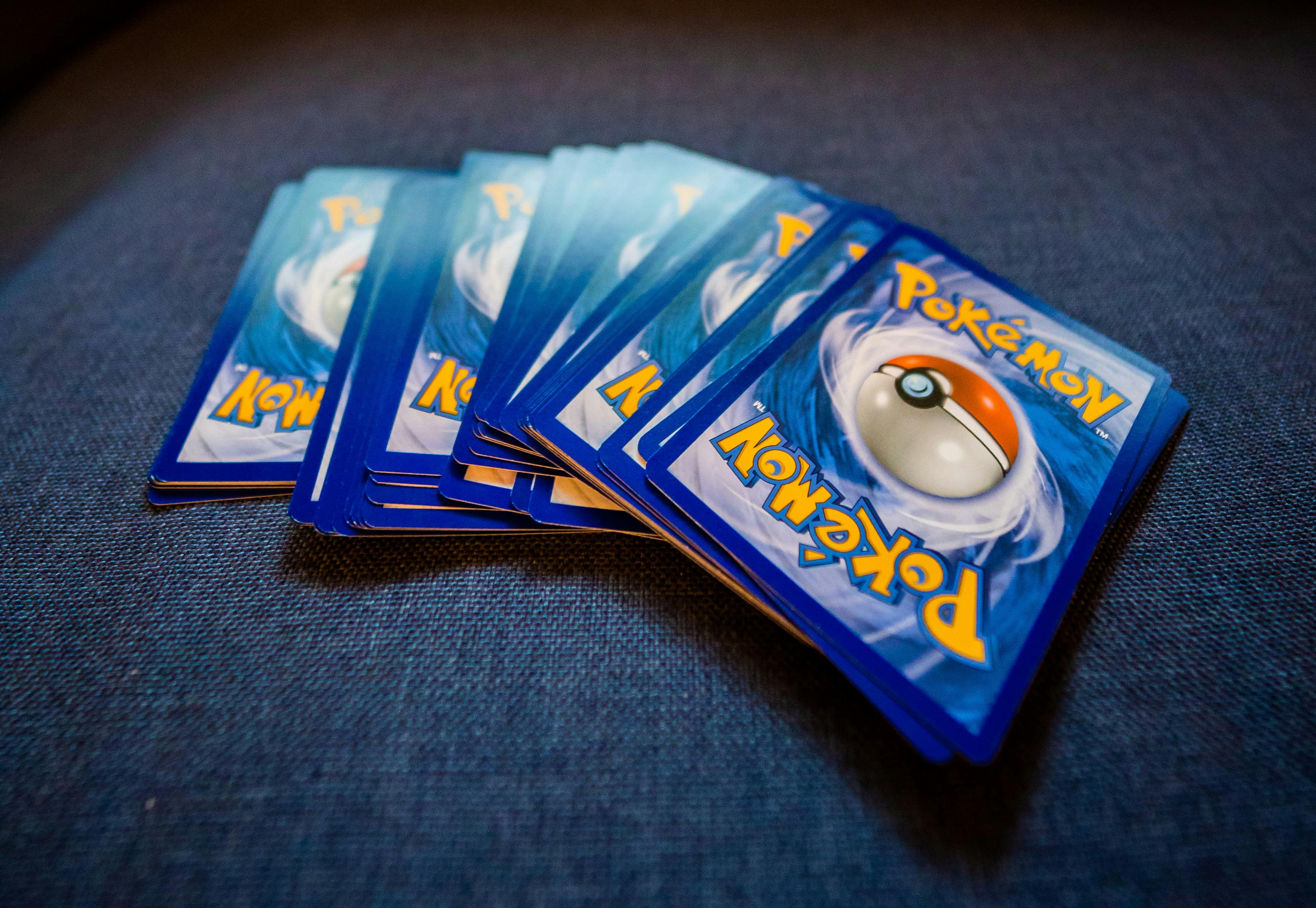
We see a lot of questions from the TCG community about getting into TCG investing. Let this be an introduction and a proper guide for you. Whether you have been collecting cards for years or you are brand new to the hobby, the trading card investment space will feel overwhelming at first, we're here to break everything down for you.
The trading card market has grown significantly over the past five years. Cards and sealed products have transformed into a legitimate alternative investment category. People are building portfolios, tracking returns, and treating their collections like the valuable assets they can become. If you've been wondering whether this is something you should explore, consider this your invitation to get started.
Why Invest in Trading Cards?
Let's start with the big question: why should anyone put money into cardboard?First, the returns speak for themselves. Certain cards and sealed products have appreciated at rates of 200% to 1000% over five to ten year periods. We certainly cannot (and do not) promise those results for everyone, but the potential exists for those who do the research and spend the time in market. For example, a 2020 sealed Pokemon Sword & Shield booster box purchased for $90, recently sold in 2026 for over $650.
Second, trading cards offer a unique tangibility. You hold a physical asset in your hands or on your shelf. You display your cards, enjoy them, and share them with others. These assets are certainly more exciting than framing a stock certificate to show off to your friends.
Third, trading cards add diversification to your portfolio. When the stock market drops, card collections often hold steady or appreciate as collectors move toward physical assets. We have seen this pattern during 2020, 2024, and other periods of economic uncertainty. Fourth, the community adds value. When you invest in trading cards, you join a passionate global group of collectors, players, and investors. The knowledge sharing, the new releases, the thrill of finding a hidden gem at a local shop. There's definitely a "treasure hunt" aspect to investing in TCGs which can make it exciting. Lastly, and maybe most importantly - the entry barrier is low. Unlike real estate or fine art, you can start building a trading card portfolio with a few hundred dollars. You can scale up as you learn the market and grow more confident in your decisions.What Should You Invest In?
Now for the fun part: deciding what to buy! This is where things get tricky, but we have some frameworks to guide your decisions.Sealed products are the bread and butter of TCG investing. Booster boxes, display cases, and special edition bundles appreciate over time as supply dries up. Once a set goes out of print, those sealed boxes become scarce. Collectors and players who want to open packs from older sets pay premium prices. This supply and demand dynamic has proven reliable across Pokemon and Magic: The Gathering for decades.
When selecting sealed products, focus on sets with strong themes, popular characters, powerful cards, or competitive relevance. Sets introducing beloved mechanics or featuring chase cards hold value better than forgettable releases. Do your research on what the community considers iconic. Those opinions often translate into long term demand.
Singles require more knowledge and attention. High end chase cards from popular sets appreciate significantly when they see competitive play or feature popular artwork. The key with singles is condition. Near mint and graded cards command premiums of 50% to 500% over played copies. If you invest in individual cards, make the effort to understand grading standards and proper storage techniques.
Grading services like PSA, BGS, and CGC authenticate and encapsulate cards with a numerical grade. A PSA 10 grade multiplies a card's value three to ten times compared to a raw copy. Grading costs $20 to $150 per card and takes weeks to months, so factor those into your calculations before sending cards off. There are web tools and apps you can use to preview a card's viability for grading before paying to grade.
Promo cards and limited releases also deserve attention. Tournament prizes, convention exclusives, and special promotional items have tiny print runs. A 2019 Pokemon Champions Worlds Japanese promo with a print run of 500 copies now sells for thousands. Keep your eyes open for opportunities to acquire these harder to find items.
One piece of advice we always give: stick to what you know. If you grew up playing a particular game, start there. Your existing knowledge of the cards, the community, and the meta gives you an edge over someone jumping in cold. Expand into other games as you gain experience and confidence.
When to Buy
Timing matters in any investment, and trading cards are no exception. Let's review some patterns and principles to help you make smarter buying decisions.Buy sealed product around release or shortly after. Prices for booster boxes start at or near wholesale cost, then climb steadily as distributors sell through their allocations. Waiting too long means paying inflated secondary market prices. If you have identified a set you believe in, pick the product up early. A Magic: The Gathering box purchased at release for $100 often sells for $150 to $200 within 18 months of going out of print. Collector booster boxes require a larger initial investment ($300-$500), but the stock will never be reprinted, according to Wizards of the Coast.
Rotation and format changes create buying opportunities for singles. When a card rotates out of competitive play, the price often drops as players offload their copies. If the card still holds casual appeal or has potential in other formats, this dip is a great entry point. Patient investors who buy during these lulls profit when interest returns.
Market corrections and panic selling present opportunities. The trading card market experiences periodic pullbacks. When prices drop broadly, quality items can get caught up in the downdraft. If you have cash available during these periods, you pick up solid collection pieces at discounted prices. The 2022 market correction saw some sealed products drop 30% to 40% before recovering within 12 months.
Seasonal patterns exist as well. The holiday season sees increased buying activity as people purchase gifts and treat themselves. Prices rise during November and December. If you are looking to buy, consider doing so during the slower summer months when demand softens. If you are selling, the holiday rush works in your favor.
Pay attention to new product announcements and spoiler seasons. New set reveals impact the prices of existing cards. A reprint announcement tanks the value of a card you were considering. A new card pairing well with an older one spikes demand unexpectedly. Staying informed helps you time your moves and opportunities.
When to Sell
Knowing when to exit a position is as important as knowing when to enter. Many investors struggle here, often holding too long or selling too early. Here are some guidelines to help.Set target prices for your investments. Before you buy, have an idea of what return you want to achieve and at what price point you would sell. Track this information so its recorded somewhere and not just a "feeling". This removes emotion from the equation, so if a card hits your target, take at least some profit off the table.
Watch for signs of market saturation. When everyone is talking about a particular card or product, when prices have spiked dramatically in a short time, when social media hype reaches a peak, these are warning signs. Taking profits during euphoric periods often proves wise in hindsight.
Reprints are a major consideration. Trading card games regularly reprint popular cards to keep them accessible to players. When a card you own gets reprinted in a new set, the value could decline 20% to 60% within weeks. If you hear rumors of potential reprints or if a card seems like an obvious candidate for one, consider reducing your position.
Life circumstances should factor into your decisions too. Your collection exists to serve you. If you need funds for an important goal, if a great opportunity arises elsewhere, or if your priorities shift, liquidate some or all of your holdings. Trading cards should enhance your life, not complicate your life. Do not fall in love with your inventory. This is the hardest lesson for collectors turned investors. A card you have held for years has sentimental value, but sentiment does not pay bills. If the numbers make sense to sell, execute the trade. You buy the card back later if you truly miss having one in hand.
Managing Your Collection with HitVault
Alright, so you have decided to take the plunge, congrats! You're finding deals, checking the market, and buying sealed products. But how do you keep track of everything? How do you know what you paid, what things are worth now, and whether you are making money? This is why we built HitVault.HitVault is designed from the ground up to help collectors and investors manage their trading card portfolios. Gone are the days of scattered spreadsheets, forgotten purchase prices, and guesswork about your collection's value. HitVault brings everything together in one, easy to use, place.
Adding items to your portfolio is simple. You record your acquisition cost, acquisition date, and quantity. This data forms the foundation for tracking your investment performance over time.
Our dashboard gives you instant visibility into your portfolio. See your total collection value, track gains and losses, and monitor market movements for items you own or want to keep an eye on. We surface the metrics so you make informed decisions without digging through data.
The inventory management tools make organizing large collections easy. Organize by value, by game, or by whatever criteria suits your needs. Identify your best and worst performers. Flag items you are considering selling. HitVault grows with your collection, whether you have ten items or ten thousand.
Market data integration keeps you connected to what is happening. Price fluctuations, trending items, notable sales. We help you stay informed without drowning you in noise. Automatic price reports help keep you in the loop without needing to micromanage.
We're building features for the buying and selling process too. Track sales history and keep notes on your plans for each item. Treating your collection like a real business starts with having the right tools, and HitVault provides them.
Looking Forward
The trading card market continues to evolve and mature. New games launch, old games experience revivals, and the community keeps growing. For those willing to put in the work, the opportunities are real and can be substantial.
Our advice? Start small, learn constantly, and stay patient. The collectors who build meaningful wealth through trading cards do so over years, not weeks. They understand their niche deeply, they buy quality over quantity, and they manage their portfolios with discipline.
If you are ready to get started, HitVault is here to help. Sign up today and begin tracking your first acquisitions. Join our community of collectors and investors who are taking their hobbies to the next level. We would love to have you with us.